15 Oct 2025
النسخة الاول
How Technology Has Transformed Contemporary Art
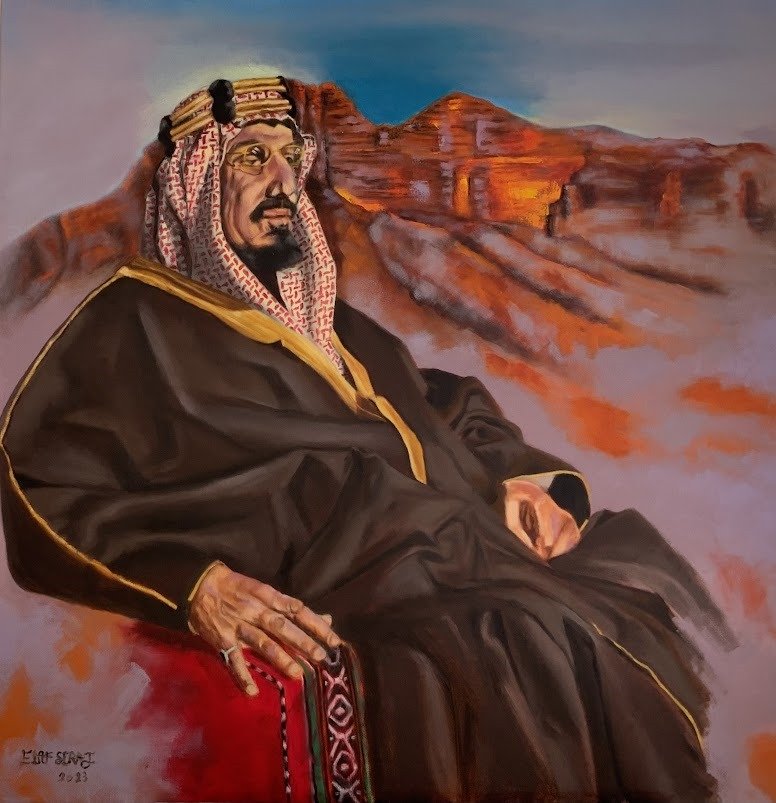
In recent decades, contemporary art has undergone a remarkable transformation, largely driven by advancements in technology. Artists are no longer limited to traditional tools like brushes and canvases—they now have access to computers, algorithms, smart devices, and 3D printers.
Key ways technology is reshaping art:
- Artificial Intelligence (AI): Artists use machine learning to generate visuals, analyze data, or collaborate with AI systems to create entirely new forms. AI has become a creative partner that introduces unexpected visual languages.
- Virtual Reality (VR): Enables immersive art experiences by allowing audiences to enter and interact with entirely virtual worlds. Artists can build dreamlike environments that defy physics and challenge perception.
- 3D Printing: Allows the precise creation of complex sculptures from digital models, turning what was once impossible into tangible artworks.
- Interactive Art: Through sensors and mobile apps, the audience becomes an active part of the piece, transforming the artistic experience into a two-way engagement.
Technology also revolutionizes how art is exhibited and shared. Online galleries, digital platforms, and NFTs (non-fungible tokens) are redefining the notions of ownership, originality, and access in the art world.
The fusion of art and technology is still evolving, but it holds the promise of a future where creativity is amplified, democratized, and experienced in ways we’ve never imagined.